Wednesday, September 7, 2011

DREADing the situation

Dread locks have been around for a very long time. People associate them closely with the Jamaican Rastafarian, but believe it or not Ancient Egyptians and Asian emperor's wore them. They have been worn all around the world and throughout time in all hair types.
Being one of the low maintenance styles, it is a popular way of wearing hair in the natural world. It's also a permanent style, once you are fully locked, reversing the do is a task outside of shaving your head. So, you have to get your mind right before making the decision to lock your hair.
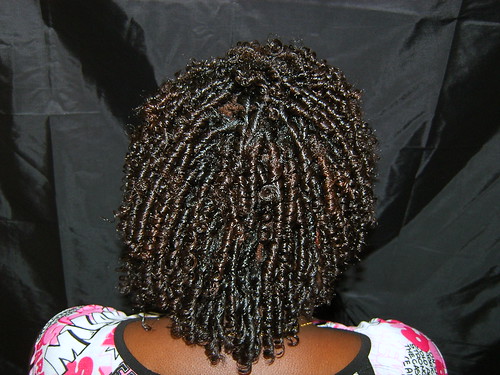
Now that you've made the decision, it's time to choose a starter style. This choice will be based on your personal preference and lifestyle. I have blogged on previous posts the how to's on different natural styles that are great for starter locks. Finger coils, two strand twists, comb twists and single braids are probably the most styles used for starters. In some cases, people even free form their hair, where they just let leave the hair alone and let it lock up without any maintenance.With free form dreads, you are liable to have locks of all shapes and sizes.

Dreads created with two strand twist
 
Bob Marley with free form dreads


The process of achieving the the locks that you want is pretty tedious and requires quite a bit of patience. You should expect to go through 5 stages:
Starter
Starter locks is simply the style you choose to begin with. Be sure the sections created are not too small. As the locks grow, if they are too small it is possible for them to break off.

Budding
In this stage, you will notice that your roots are getting puffy and your starter style is getting frizzy. This will be the time to practice re-twisting your new growth. Invest in a good locking gel or even aloe vera gel. Beeswax is also a popular product for maintaining dreads, but it goes back to that whole no no to petroleum thing. As I've said before, read your labels to make sure the product is good for the hair. Also, make sure to keep track of the original section partings when re-twisting to maintain a consistent and uniform size. The length of time for this stage can range from 6 months to a year. Shampooing your hair will be null and void until you get a really good lock going on. Cleansing the scalp with an astringent will be your only hair maintenance at this time.

Teen
Just like a normal teenager, this may be the stage when you are wondering what is going on with your hair. If your hair is short, your teen locks may seem to sprout all over your head and go in any old direction. This is when patience comes into play. If you can persevere through this stage, then you will enjoy the outcome.

Mature
This stage is about 18 months into your locking journey. Your hair should be long enough to lie flat or hang down. You probably won't have to re-twist your new growth as often. By this time you should be enjoying your locks and have a regular shampooing and conditioning routine.

Rooted
This stage is where you have strived to be. Your locks are firmly in place. You can trim your locks to a manageable length if needed. Your hair care routine can be as simple or as complex as you choose, but rooted locks require little more than regular cleansing, conditioning and moisturizing.
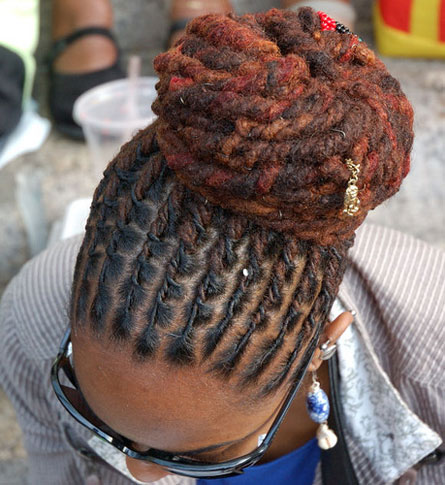

Complex style


Simple style


 In general, the thicker and more tightly coiled the hair's natural texture, the quicker your hair will lock. While people with straight or wavy hair can achieve locks, they may need some product help and more time and patience, as the locking process is longer.

Here is a book that may be of interest to anyone contemplating dread locks.
http://www.amazon.com/Nice-Dreads-Inspiration-Colored-Considered/dp/140005169X

Friday, August 26, 2011

More Harm Than Good


One of the main things I've learned in cosmetology school is how important it is to have product knowledge to inform clients of how their hair will benefit from using them, but one thing they don't teach us in school are harmful ingredients in hair products that could damage not just your hair, but also be hazardous to your health.
All beauty products are required to have a list of ingredients somewhere on the packaging. It is important to not only read the list, but also understand what you are reading so you will know what to avoid. The Federal Trade Commission orders that ingredients that are present in higher amounts in the product go to the top of the list. I've always been told the most important ingredients of a product are the first five on the list. Sometimes the active ingredients are on a separate list. Also, according the the International Nomenclature of Cosmetic Ingredients (INCI) system, ingredients have to be named using their scientific names and for plants, Latin names. Sometimes you'll find the English name in parenthesis, for example, Shea Butter is often listed as Butyrospermum Parkii (Shea Butter).
With all that being said, how do you know what is harmful to the hair??

Here are list of the most harmful ingredients found in hair care products
Sodium Lauryl Sulfate/Sodium Laureth Sulfate:
I have blogged before about the benefits of using sulfate free shampoo, so here is a reiteration of the harmful traits of sulfate. Both of these sulfates are cheap, harsh detergents that are found in the majority of shampoos. They are used to create lather or foam. A super lathering shampoo is not necessary to cleanse the hair and scalp. All that excess lather is just to make you think your shampoo is working properly. These sulfates are also commonly used in car washes and engine degreasers. They are generally derived from petroleum, also a harmful ingredient, and often cause eye irritation, scalp irritation and tangled hair.
Now to flip the script just a second on sulfate free shampoos...If you are using one, that's great, but just be careful!! Sometimes, when a company removes the sulfate from their product, they add salt (sodium chloride). Salt is just as bad, if not worse for your hair. Salt is abrasive or rough. If you shampoo your hair with a salt containing product, you're actually creating friction on your hair (think of an exfoliating scrub in your hair...no good!) Not to mention that it's strips the hair of moisture.

Parabens (methyl, propyl, butyl, and ethyl):
Parabens are added to hair products to act as a perservative, inhibiting microbial growth and extending the shelf life of the product. Unfortunately, parabens are also estrogenic and disruptive of normal hormone function. Exposure to these parabens has been linked to breast cancer. They've also been known to cause allergic and skin reactions.

Diethanolamine (DEA) and Triethanolamine (TEA):
These ingredients are synthetic emulsifiers and/or foaming agents. They are highly acidic and can cause allergic reactions, eye irritation, and dryness of the hair and skin. DEA and TEA are ammonia compounds, which are potent carcinogens or cancer causing. DEA can also strip away vital amino acids from the hair and the skin, like keratin. This will leave the hair feeling dry and unmanageable.

Formaldehyde:
This ingredients has become a hot topic since the emurge of the hair treatment the Brazilian Blowout. Which turns frizzy unmanageable locs into luxurious bone straight hair, but tests have determined that the product contains unsafe levels of formaldehyde or embalming fluid-a known carcinogen. Adverse reactions to formaldehyde can include allergies and affecting the nervous system.

Mineral Oil and Petroleum:
For years black women have caked "hair grease" onto their hair and scalp in hopes of achieving hair growth of some kind. I can remember my mother slathering Blue Magic onto my head every other day to help with "moisturizing" my hair and scalp. I don't mean to burst your bubble if this is still a practice you use today, but you are doing your hair and scalp no good with these products. These ingredients give the hair an artificial shine and are cheap to make and sell. Mineral oil and petroleum clog the pores on the scalp making hair growth null and void. They also coat the hair strand making it impossible for moisture to get in, which makes hair much more susceptible to damage and breakage in the long run.

Now, I know you may say, "But Tasha, trying to avoid these products can be expensive!" And you are right! Think about this though...if you ask someone who has had or is battling cancer if they would pay just a little bit more  in order to avoid the ratchet disease, what do you think they would say? I'm thinking the answer would be YES! To step down from health concerns, just think about how the hair can thrive from not subjecting it to such cruel and unusual punishment.

So, it is up to you to READ THE LABELS of your hair care products and gain knowledge of the ingredients, with these harmful products lurking around every corner being advertised as "helpful" or "good" for our hair, ready to strike at any moment.

Thursday, August 18, 2011

Hair Styling 101

One of the top questions I get is "What can I do with my hair?" Whether you're new to the natural world, transitioning, sporting a TWA (teenie weenie afro) or a veteran rocking a massive natural fro, sometimes you get stumped on what kinds of styles are out there for you. Here are some step by step, easy do it yourself hair styles you can try at home.


I hope some of these styles are useful and you're able to come up with something to suit you and your personal style. Head down to your local hair supply store and stock up on accessories (scarfs, head bands, flower clips,etc.) to dress up your natural style.


 Have fun and LOVE YOUR HAIR!!

Tuesday, August 16, 2011

The Benefits

I recently discovered a new site called benefitof.net. It gives the benefits of everything from overdraft protection to the benefits of Facebook. In the life style section under fashion and beauty, I found a lot of benefits of products we use regularly in our hair. So, I thought I'd share some of the stuff I read about.


Co-washing
The first thing I read wasn't a product, but something I know a lot of naturals do and that's co-washing. Co-washing is the act of shampooing your hair with conditioner instead of shampoo. One of the important benefits is you retain more moisture in your hair, since you wouldn't be stripping your hair of its natural oils with shampoo. This is especially good for overly dry hair. BUT please don't leave out shampooing your hair. The purpose of shampoo is to rid the hair of product build up and excess debris, which can clog the pores. Conditioners were not made to do that. With that being said, co-washing isn't bad, but shouldn't be the ONLY means of cleansing your hair.
Sulfate free shampoo
Both Sodium Lauryl Sulfate (SLS) and its close relative Sodium Laureth Sulfate (SLES) are commonly found in many household products like soap, shampoo, detergents, toothpaste and other products we expect to "foam up". These products, containing sulfate, have also been frequently reported to be the cause of eye irritation, scalp irritation, tangled hair, swelling of hands and face, and split fuzzy hair. These side effects are a reason in itself to use sulfate free shampoo. Another benefit would be reduced hair loss. Using sulfate causes the hair to be dull and breakable. Sulfate free tames the hair hardness and leaves the hair soft and easy to comb.
Extra Virgin Olive Oil
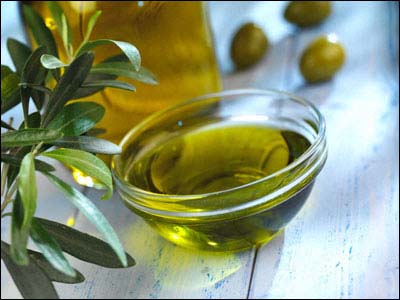
I have and will make frequent references to extra virgin olive oil (EVOO). It is one of my favorite hair staples. This is a very versatile product, used in everything from cooking to easing the noise of snoring. Packed full of minerals, vitamins and antioxidants, EVOO helps to provide the hair with nutrients needed for hair growth and helps to preserve the moisture in the hair. One of the things I do, is when using my leave in conditioner, I seal the moisture into my hair strands with a mixture of shea butter and EVOO. It's very affective.

Black Soap
I've never used this product, but have read numerous things about the benefits. A lot of naturalistas live by black soap. Black soap or African black soap is traditionally hand made in Africa from ingredients found in nature. Research has revealed that black soaps might contain many different ingredients, but majority of black soaps contain various oils, like the coconut oil, palm oil, palm kernel oil, shea butter and cocoa butter. They also contain ashes from different plants, like shea tree bark, banana trees, cocoa pods, and plantain leaves.
Black soap can be used for cleansing the hair. After cleaning use your regular conditioner for shiny lustrous beautiful hair.
Black soap contains a very high content of glycerin; it can easily absorb moisture from the air. To prevent it from spoiling due to humidity, black soap must be stored in a sealed plastic bag or dry container.


Tea Tree Oil
Tea tree oil is has antibacterial properties and act as a natural disinfectant. It is obtained by steaming leaves of the tea tree or Melaleuca tree and then compressing them to extract their oil. For hair, mixing tea tree oil into your shampoos and conditioners will  help to get rid of dandruff. By acting as a disinfectant for the scalp, tea tree oil reduces the build up or residues around the follicles allowing for the free flow of sebum, hair's natural oil, into our hair shaft. Also, by reducing the inflammation around the follicles, tea tree oil  promotes regeneration of existing hair while promoting new growth.


MSM
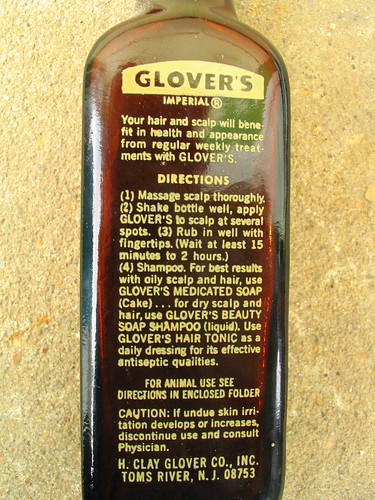
Methylsulfonymethane, or MSM, is a form of sulfur used to maintain healthy cells, organs, tendons, hair, skin and nails. I remember as a child my mother slathered Sulfur 8 and Glover's Mange onto my scalp regularly. I can't recall ever suffering from dandruff as a child. Though it doesn't smell very pleasant there are several benefits for sulfur in the hair.
Regular use of MSN helps your hair grow faster and naturally. It revitalizes hair follicles by increasing circulation in the scalp, thereby eliminating waste and toxins. It also assists essential nutrients like calcium, pantethol, and biotin to build strong hair.Studies suggest that MSM increases production of keratin, the protein found in hair fibers responsible for healthy hair. It not only prevents hair breakage, but is also beneficial for glossy hair as is makes your hair follicles flexible.


Onions
The last one that I want to share with you is the foulest of them all, but beneficial. Not only for eating purposes, onions have antifungal and antibacterial effects that make them useful for hair treatments and skin care. Studies have shown that applying onion juice to the scalp twice a week for a period of time will encourage hair growth. The sulphur contents of the onion regenerates the hair follicles, promoting hair growth.
These are just a select few of many benefical things out there for healthy and happy hair. Check out the site for yourself, benefitof.net.

Wednesday, August 10, 2011

Homemade hair recipes

Here are some easy to make at home hair recipes. You may have some of the ingredients right in your kitchen. The essential oils can be purchased at a health food store or online stores. Essential oils are very powerful and would have to be diluted, usually with a carrier oil like olive oil or almond oil. You don't have to follow the recipes to a tee. You can tweak them to fit your hair needs. I haven't tried all of these, but have read great things about them. I may have mentioned some of these in other posts as well.

Hair Clarifying
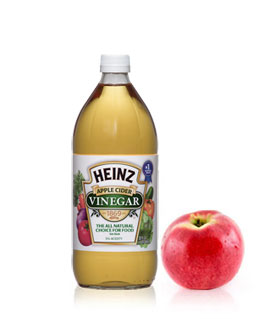
1/2 tablespoon apple cider vinegar
1 cup warm water
mix the ingredients and pour onto shampooed hair OR you can rinse your hair and pour the clarifier onto your hair before you shampoo and condition. I've done both ways and they work either way. Don't worry about the smell, if you use it after shampooing. It will dissipate as it dries. This mixture will help balance out your pH and remove product build up.


Honey and Olive Oil Conditioner
3 teaspoons honey
1/4 cup of extra virgin olive oil
Heat the honey in a bowl, not too hot. Add olive oil. Work through the hair using small amounts at a time. I usually dampen my hair with warm water to help it glide on easier, but you can put it on dry hair. Place a shower cap on your head for 30 minutes. Shampoo and condition as normal. This helps to make the hair softer and shinier.


Egg and honey treatment
Egg yolk provides protein, which strengthens the hair. Honey gives hair a nice sheen. Almond oil is rich in vitamins and minerals and lastly yogurt promotes hair growth and makes the hair easier to comb. This recipe makes for a wonderful hair cocktail.
1 tablespoon honey
1 egg yolk
1/2 teaspoon almond oil
1 tablespoon natural (plain) yogurt

Cucumber/Oil Treatment
I haven't tried this personally, but I've read that it's good for frequent swimmers.
1 egg
1 egg shell's worth of extra virgin olive oil
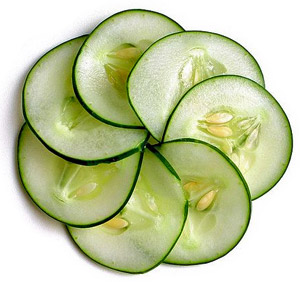
1 quarter of a peeled  cucumber
Blend ingredients. Spread evenly through your hair and leave on 10 minutes. Rinse thoroughly and style as usual.
Itchy Scalp Treatments
I get a lot of calls about what to do for itchy or dry scalp. I have been on a man hunt to find different remedies. Here are few that I've found to be helpful.
Oatmeal
5 drops of rosemary oil
5 drops of lavender oil
Soak oatmeal in water for 20 minutes and strain. Add the oils. Rub liberally onto the scalp. Let it sit for as long as needed and rinse thoroughly. Shampoo and condition as normal.

Two drops peppermint oil
1 cup of water
Massage the scalp gently with this mixture to help with dry scalp.

 Mix equal parts olive oil,  almond oil and coconut oil. Warm the mixture and apply it on the scalp to relieve itchiness caused by dandruff.

Mix equal parts  rosemary oil,  carrot oil, jojoba oil and sage oil. Massage the scalp gently to relieve itchiness.

One avocado
2 bananas
Mix together. Rub through hair and scalp. Leave in for 30 minutes rinse thoroughly.

Hair Growth Mixture
This mixture will help in stimulating the scalp and promoting hair growth. It can be used in different sections or all over. Consistent applications is the key for this mixture.
2 oz  pure vitamin E oil
2 oz castor oil or jojoba oil
15 drops  rosemary oil
15 drops peppermint oil
Put ingredients in a container and mix well. Use your fingertips to dip into the mixture and massage the area. IF you want a more solid mixture you can use 4 oz of coconut oil instead of the castor or jojoba oil. This is a great way to treat thin hair lines. You can use this nightly, but be sure to keep the hair shampooed regularly so that it won't clog the hair follicle--which can cause itchiness and slow hair growth.
Let's talk about Vegetable Glycerin for a second...
I've recently discovered this product and have fallen head over heals in love with it!!
Vegetable glycerin is a by-product of the soap making process. It is known for being a humectant, meaning it attracts water or moisture. You'll find glycerin in a mind boggling amount of skin and hair products. You can't just coat your hair with it or you'll get a sticky mess, but using it along with other products makes for excellent relief on those extra dry days.
Here are a couple of spritzes you can make:
3 tablespoons vegetable glycerin
2 tablespoons honey
1 tablespoon aloe vera juice
2 tablespoons extra virgin olive oil
1/2 cup water
1 spray bottle
Pour all the ingredients in the bottle. Shake really well to disperse honey and olive oil throughout the water. You'll have to shake it with each use.

For a quick and easy hydrating spray mix equal parts vegetable glycerin and water into a bottle. Add 3 drops of an essential oil (rosemary, lavender, tea tree or cedarwood). Spray on the hair as needed.

These are just a few of many recipes out there for healthy and happy hair. I will continue to post them as I continue to discover them. As I said, you can mix and match ingredients to come up with products that work best for you.

Friday, July 15, 2011

Acid VS Alkaline...the importance of pH balance in the hair

First lets talk about what pH balance is. pH is a medical term that describes the balance of your system and it refers to the condition of metabolic changes. It stands for potential hydrogen. The pH of any solution is the measure of its hydrogen-ion concentration. The higher the pH reading, the more alkaline and oxygen rich the fluid is. The lower the pH reading, the more acidic and oxygen deprived the fluid is. The pH range is from 0 to 14, with 7.0 being neutral. Anything above 7.0 is alkaline, anything below 7.0 is considered acidic. Water is 7.0 on the scale (neutral).
Why is it so important to know how to balance pH? Our hair produces a natural oil called sebum. Sebum maintains the moisture and balance in our hair. The hairs natural pH balance is between 4.5 and 5.5 on the scale. That means the hair is naturally acidic, so the products we use in our hair should also be acidic. To know what products to use in your hair, you have to know the right level of pH for your hair. For example, the pH of hair(4.5 to5.5) is close to 2.9, which is the pH of Apple Cider Vinegar. Rinsing your hair with ACV will help balance the pH of your hair and remove the buildup from products. Dilute it with water to get the right balance (1 part ACV to 2 parts water). Some products such as sulfate shampoo, conditioners, hair colors, permanents and bleaches are strongly alkaline, which can put our tresses in a stressful state as the pH of these products is way off from the pH of hair. Water is the most alkali substance that should be used in the hair. Any other substance higher than 7 should NOT be used on the hair, relaxers included. Products with pH's lower than 4.o and higher than 7.5 can eventually reak havic on the hair.
Your hair consists of three parts. The outermost layer is the cuticle and inside of that is the cortex. The medulla is the central, most internal portion of the hair shaft that contains excess cells and air. When your hair is damaged, the scales on the cuticle stand out and break off. This exposes the cortex which makes your hair feel harder. The cortex is what gives your hair its strength and its elasticity.  By nature, curly hair cuticles tend to remain in an open state, as the spiral pattern of a curl makes it extremely difficult for the cuticles to lie flat. Since these open cuticles are what cause frizzy hair, it is particularly important for curly heads to be aware of the pH levels of the products they use. 
Alkaline products means that the pH level is 7 and above. The cuticle opens when an alkaline substance is added to it. A lot of shampoos are made to be neutral or at times, slightly alkaline. The high pH will allow the shampoo to easily clear off any oils or dirt that have formed on the hair and scalp. Neutral shampoos may be recommended for people who have sensitive scalps. In the same manner, hair conditioner is usually acidic or carries a low pH, because it causes the keratin on the hair strand surface to be flattened out instead of bristly, thus causing hair to be smooth and soft.
Ultimately you want your cuticles to lay down, so staying within the natural balance of the hair would be ideal, which is why you want to gravitate to acidic products. Purchasing pH strips and testing the balance of the products before applying them to your hair is the best way to maintain your pH balance in your hair. Check the bottles on your products, some will tell you if it is pH balanced or not. It may be neccessary to tweak some products to balance them out. For example, you may notice that some shea butters or other butters make your hair look dull. This is because typically, butters have a pH of 6.0, which don't close the cuticles all the way. Using aloe vera juice, which is acidic, with the butter will close the cuticle more, giving it more shine. Another ancient Chinese secret for laying those cuticles down is cool water. When shampooing your hair with warm water, it raises the cuticle. Try rinsing your conditioner with cool water to close the cuticle and seal the product into the hair strands, giving it the moisture it needs.
It is important to understand why some products can strip the hair of its natural moisture and cause the hair to be dry and brittle, and others aid in restoring moisture. Once you start to learn your hair and the proper pH balancing, you will be amazed at how much your hair will thrive and flourish.

To order pH strips visit http://www.luvnaturals.com/

Check out this video from Kim Love


Monday, July 11, 2011

Moisture! Moisture! Moisture!


I want to talk about the IMPORTANCE of keeping natural hair moisturized. As a cosmetology student, I can't stress enough to my clients to keep moisture in their hair. With the summer months fast approaching, the heat can play a large roll as a damaging agent for your hair.
Now, when I say the hair needs moisture, I don't mean to slather on piles of hair grease. I am not a big fan of "hair oil" as we all understand it. For me, it's only good for clogging the pores and attracting all the dirt and lint in your path.  The scalp produces it's own oil, but if you feel you need it, then use light oils such as coconut oil, olive oil or almond oil,which dissolve easily into the scalp. Also, Some good examples of  oils that can be used to seal in moisture after a wash are avocado butter, mango butter or Shea butter. Remember that these are oils and will just lock in whatever moisture you already have in your hair. It is advisable to dampen the hair slightly before applying any hair oil to it and use in moderation.
Another excellent means of moisturizing is conditioning the hair. Never shampoo your hair without following with conditioning. Shampooing is the way of pulling oil and other product build up from your hair, while conditioning is how to put moisture back into the hair. I recommend a deep conditioning at least once a month. For my deep conditioner, I use a mixture of Design Essentials Express and Stimulations, put a plastic cap on and sit under a dryer for at least 15min. If you don't want heat in your head, just put the cap on and chill. There are all kinds of deep conditioners out there. Find what works for your hair and make sure it's a moisturizing conditioner.
Now, ya'll hear me out on this next staple in hair moisture....
WATER! Yes, I said water. The best way to keep the hair moisturized between shampoos is water. When looking for moisturizing products for your hair, make sure the first ingredient is good ole H2O.
You may find that the best conditioners are the ones that are marketed to 'wet type' styles (jheri curl or wave nouveau) as they contain mainly water and glycerine. S curl is particularly good.
Moisturizers should then be applied daily or as needed. Only a dime sized amount is required for shoulder length hair. A touch more for longer hair. Always comb the moisturizer through the length of the hair with a wide tooth comb to make sure that every strand gets its share. You can apply a bit more to the ends if desired.
So, while facing all the reasons of what can cause hair damage, don't let dryness be one of them.
LOVE YOUR HAIR!!


Night night, sleep tight...

I want to start off today with a question. How do you prepare your hair at night? Do you wrap it up or do you just go to bed as is and awake with a massive amount of "bed head"?
Well, whether you are natural or not, it is always good to wrap your hair in a silk or satin bonnet or scarf before bed, or if you can't do that get a silk or satin pillowcase.


Tossing and turning on an abrasive cotton pillowcase, pulls the hair strands and causes breakage and tangling. Cotton also absorbs the oils you have in your hair, causing dryness.
Is that all we have to do? I'm glad you asked...The answer is NO.
While it's essential to protect your hair while sleeping, it's also imperative to make sure you do a little maintenance on your hair before calling it a night. For natural or long hair, it's best to put your hair in two or three plaits. It will make for easier combing the next day. As I stated in my previous post, moisturizing is a must, especially your ends. Dry ends lead to breakage, so I recommend a leave-in conditioner on your ends and you can even seal it in with a dab of a light oil, such as jojoba, almond, or shea butter. Now don't get heavy handed while applying or you'll weigh your hair down or make it too greasy.
With all this being said, I hope it motivates you to continuously protect your hair, even while you're sleeping.
LOVE YOUR HAIR!!

Relax, Relate, Release!!!!

I'm sure everyone likes a nice relaxing massage every now and then, whether professional or from a loved one. It not only feels good, but a massage can cure what ails you. They increase circulation in the body, relax and soften injured or overused muscles and releases endorphins (the body's natural pain killer) just to name a few. Did you know that this also holds true for your scalp? Just like the skin, the scalp needs to be pampered and massaged. It should be an important part of your natural hair journey. 
One of the first things I learned in cosmetology school are massage techniques when shampooing a clients hair. You want your client to feel at ease and comfortable during the experience, but they also get benefits in the long run.
When the scalp is tight from stress it hinders hair growth and circulation. Massaging will help relax the scalp and increase flexibility. It helps strengthen the roots of the hair and nourishes the hair shafts, promoting new hair growth and strengthening of the current hair. It helps to spread the natural oils of the hair, increasing hair vibrancy. It also conditions the scalp.The "feel good" portion of the massage helps to release those chemicals in the body that work to lower stress levels. Lower stress levels allow your organs to function more efficiently, boosting your hair follicle's ability to grow. Sounds beneficial huh?!??
Try massaging your scalp at least twice day, first thing in the morning and then right before bed. For about 5 to 10 minutes, maybe even while you are watching TV. You can use a natural oil, which have different properties that are good for your hair, such as Olive Oil, Jojoba oil or Almond oil. Using the pads of your fingers, apply the oil little by little to different parts of your scalp. Then work the oil into your scalp using circular motions. Slow movements are relaxing while vigorous movement helps enhance energy and circulation. You can even warm the oil first by pouring it into a bowl and then placing the bowl into a bowl of hot water.
Healthy hair is the result of a healthy scalp. It also requires an ongoing care routine that starts with nourishment. Whether your hair is thinning, shedding, breaking or none of the above, whatever the case may be, regular massages can help prevent any of these ailments and improve the growth of your hair. Don't wait until you start to experience hair issues, start now so that you can reap the benefits for years to come.

Wednesday, July 6, 2011

Flinstones kids...10 million strong and growing!!

Do you remember when you were a kid and your mom always laid out your vitamins with your breakfast? I grew up a flinstones kid, I also had long thick hair. Vitamins are an essential part of healthy hair growth.  If you don't take care of the insides, then it's not going to show on the outside, hair included...simple geography. The lack of vitamins can actually slow down your hair growth and can be the cause of thinning. Here are a list of vitamins good for healthy hair:
1.      Vitamin A – This vitamin is an antioxidant that helps produce healthy sebum in the scalp. Food sources: Fish liver oil, meat, milk, cheese, eggs, spinach, broccoli, cabbage, carrots, apricots and peaches.   Daily dosage should be 5,000 IU. More than 25,000 IU is toxic and can cause hair loss and other serious health problems.

2.      Vitamin C – It is an antioxidant that helps maintain skin & hair health. It aids in improving scalp circulation. It is important to maintain capillaries that carry blood to the follicles. Food sources: Citrus fruits, strawberries, kiwi, cantaloupe, pineapple, tomatoes, green peppers, potatoes and dark green vegetables. Daily Dose: 60 mg.

3.      Vitamin E – This vitamin is an antioxidant that enhances scalp circulation. Since hair health is tied to the immune health, vitamin E is believed to stimulate hair growth by enhancing the immune function. Food sources: Cold-pressed vegetable oils, wheat germ oil, soybeans, raw seeds and nuts, dried beans, and leafy green vegetables. Daily dose: Up to 400 IU. Intake of this vitamin can raise blood pressure and reduce blood clotting.  Those under high blood pressure medication would need clearance from their doctors.

4.      Biotin – This vitamin produces keratin and works as an anti aging agent that prevents hair loss and hair graying.  Food sources: Brewer's yeast, whole grains, egg yolks, liver, rice, green peas, lentils, oats, soybeans, sunflower seeds,walnuts and milk. Daily dose: 150-300 mcg.

5.      Inositol – This vitamin keeps hair follicles healthy at the cellular level. Food sources: Whole grains, brewer's yeast, liver and citrus fruits. Daily Dose: Up to 600 mg.

6.      Niacin (Vitamin B3) – This vitamin allows scalp blood circulation. Food sources: Brewer's yeast, wheat germ, fish, chicken, turkey and meat. Daily dose: 15 mg.

7.      Pantothenic Acid (Vitamin B5) - This prevents graying and hair loss. Food sources: Whole grain cereals, brewer's yeast, organ meats and egg yolks. Daily dose: 4-7 mg.

8.      Vitamin B6 – It prevents hair loss and helps create melanin that gives hair its color. Food sources: Brewer's yeast, liver, whole grain cereals, vegetables, organ meats and egg yolk. Daily dose: 1.6 mg. High dosage of this vitamin can cause numbness in hands and feet.

9.      Vitamin B12 - It prevents hair loss. Food sources: Chicken, fish, eggs and milk. Daily dose: 2 mg.


Finding a good multivitamin is essential in maintaining healthy hair and over all health. How do I know what good vitamin to take? I'm glad you asked....Here is information I found to be helpful.

                 5 TIPS FOR CHOOSING A SUPPLEMENT THAT'S RIGHT FOR YOU!
  • Does the supplement provide sufficient quantities of each vitamin? For example - 50mg. to 100mg. of the B vitamins, 500mg. of vitamin C, 1000mg. of calcium. Remember, 100mg. of a B vitamin is needed to provide your body with about 10mg. of actual, useable nutrition. This is usually plenty. Use the 10% rule to know exactly what you're getting. The one or two per day supplements only start with about 3mg. or less of the B vitamins. 10% of this amount is like taking nothing at all.
  • Look for the USP (United States Pharmacopoeia) or BP (British Pharmacopoeia) designation on the label. This means that the vitamin isolates are the highest quality you can buy, and are the most easily dissolved in the digestion process. Each vitamin that is USP or BP will have those initials next to that vitamin.
  • Look for "chelate" or "chelated" in relation to the minerals. This means the minerals are attached to protein before they are added to the supplement. This increases absorption both in the bloodstream and cells by an amazing 400% to 800%.
  • Look for enzymes in the formulation. These are, among other things, essential for attaching protein molecules to the vitamins in digestion. Cooking food destroys these enzymes.
  • Look for a supplement that has a "food base". A food base is concentrated plant material to which the vitamins and minerals are added. These will contain the enzymes and nutrients to greatly boost the absorption and utilization of the vitamins and minerals. This makes a GREAT supplement package. But it does make them more bulky. Expect larger tablets, and more quantity needed per day.
So, listen to your body! What's right for others may not be right for you. You definitely should FEEL a measurable difference in your health and energy within a few days with the right supplement. If you don't, try a different vitamin supplement.

10.   Essential fatty acids (flaxseed oil, primrose oil, and salmon oil) - improves hair texture. Prevents dry, brittle hair.

11.  Zinc -  Stimulates hair growth by enhancing immune function. Dosage: 50-100 mg daily. 
Related Posts Plugin for WordPress, Blogger...