Showing posts with label Healthy Hair. Show all posts

Monday, September 24, 2012

When It's Cold Outside....

Keeping The Hair Moisturized During Cold Months


OK naturals, it's starting to get cold outside. Cold air means dry air which means dry hair. I have blogged of this topic several times and will continue to do so as hair moisturization is so essential for healthy natural  hair. During this time of year, moisture is especially imperative to combat the dry brittle hair you are sure to experience. Selecting a good moisturizing conditioner is a perfect way to help your hair fight the fall and winter months. Click on the source to read an article from The Science of Black Hair. It dispels just what to look for in a moisturizing conditioner. The only thing I would add to the article is to make sure you use a natural oil to seal in the moisture that you put in your hair.

Your hair doesn't have to suffer during the fall and winter months. Taking necessary precautions will help to insure that your hair stays radiant and healthy. LOVE YOUR HAIR!!!


Wednesday, July 11, 2012

Oh What a Tangled Web We Weave....


Tips, tools and methods for detangling

Detangling can be one of the most daunting tasks of the natural hair world. Though it is a complete pain in the you know what, it is a necessary task if you wish to maintain your hair properly. It can be a constant battle between getting out the tangles and removing shedded hair without snagging and over manipulating it. So, let me give you the low down of some methods and tools that may help you get through this grueling ordeal.

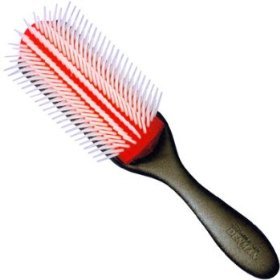
The Denman Brush


The Denman brush is one of my favorite detangling tools. When used properly, you can get smooth, defined and frizz free curls. The Denman was specifically created for the maintenance of curly hair. The fact that it has somewhat flexible teeth and it catches the shedded hair to prevent matting, makes it very popular amongst naturals. It can also be opened to remove columns of teeth and make the spacing wider for those whose hair can't tolerate all the teeth.


The smooth back of the brush is what helps to smooth and polish the curls without frizzing. It's also perfect for distributing product evenly through your hair.


Your Fingers
Well, fingers aren't really a tool, but they do the trick when it comes to getting tangles out of your hair. Using your fingers as opposed to a comb or brush allows you to "feel" the tangles and carefully separate the hair and ease them out. Finger detangling is especially benefiting to naturals with fine hair that splits and breaks easily. This is hands down (no pun intended) the gentlest way to detangle your hair, but also the lengthiest. I don't recall ever using any other tool in my hair besides my hands the first year after my big chop.

The Tangle Teezer


I, personally, have not used the Tangle Teezer. Honestly, the look of it kind of worries me a little, but I did research it and found it can actually be quite helpful. In what I read,  the Tangle Teezer does what it's supposed to do very efficiently. The teeth are extremely flexible, causing tangles to literally melt away. Instead of just getting stuck in the tangles or ripping them out, the Teezer gently coaxes the tangles until they unwind. I also read that the scratching noise the tool makes can be a little freaky and may cause you to keep checking to see that you aren't ripping hair out of your head.
The one con that I read was the fact that the tool has no handle. Although it was designed to fit into the palm of your hand, it could become a nuisance once it gets wet and starts slipping and sliding all over the place.


Wide Toothed Comb


Another one of my faves, the wide toothed comb is probably the most preferred tool amongst naturals.
The reason is because it can detangle efficiently and remove shedded hair with minimal damage, with the wide spaced teeth that are large and seamless. I even keep one hanging in my shower.

Now that you have some tools and tips, let's take a look at a couple of detangling methods.

Dry Detangling
When I am getting ready to shampoo and condition my hair is the ONLY time that I dry detangle my hair. I do so my applying either conditioner, coconut oil or both to my hair. I let it sit about 15 minutes then GENTLY use a wide toothed comb or my fingers...preferably my fingers to separate my curls. I call it pre-detangling. By both separating and lubricating the hair before a shampoo, It makes for an easier wet detangling session. The hair has less tangles and you've added extra moisture to the hair to help protect it from the stripping shampoo can cause.  Dry detangling is especially beneficial if you'd had your hair in a twist style.

Wet Detangling
This method should be the main way of detangling the hair. It's done when the hair is sopping wet and very well lubricated with conditioner. Doing this creates slippage and causes your tool to glide easily through your hair. I prefer using a wide toothed comb, but the Denman brush also works very well for this method.


You can get the best results when you do both dry and wet detangling. If you can get in a good  dry detangling session before shampooing it will improve your results when you detangle with wet hair and conditioner.

A couple of DO's to take with you are:
DO take your time and be as thorough as possible. The last thing you want to do is think you've done a good job detangling only to find a nice wad of matted hair in your curls.

DO section your hair prior to detangling and use as many sections as you need. This will become more important as your hair grows. The longer your hair is, the easier it is to knot up. If you handle your hair in sections, it makes it easier to manage and to do a thorough job.


In conclusion, it doesn't matter how often you detangle, whether you do it wet or dry, or which tools you use. Just remember to do what is best for you and your hair.

LOVE YOUR HAIR!!

Tuesday, May 29, 2012

Shea Butter...Unrefined VS Refined


When it comes to Shea butter, you have two choices. Unrefined or Refined, but which do you choose? First let me back up for a minute and tell you a little bit about Shea butter.
Shea butter is derived from the seed of the Shea tree in Africa. It contains both vitamin A and E. It's not only used in the hair, but also to treat skin conditions like wrinkles, eczema, blemishes and dermatitis. It is also used to treat insect bites, sunburns and frostbite. The differences between unrefined and refined is how the two are processed. Both of them have the same origins from the Shea tree. The nuts are harvested and crushed to extract the butter. It it during the extraction process where you can distinguish between the two.

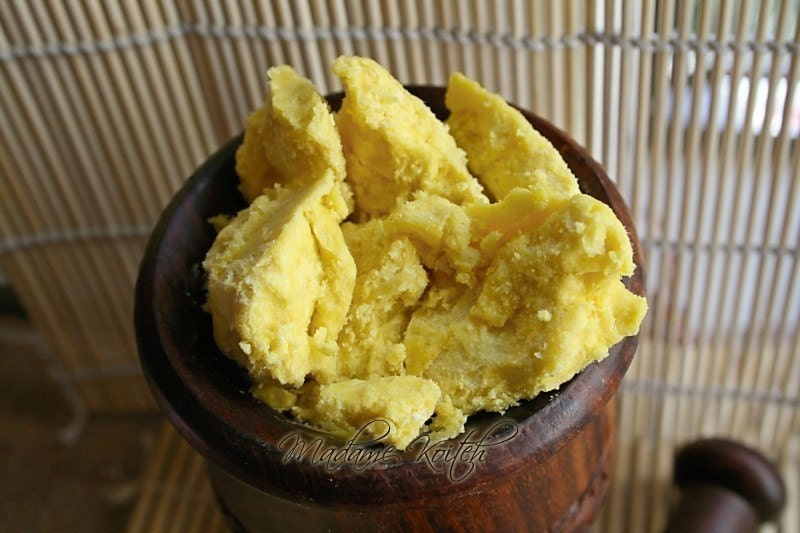
Unrefined Shea butter is extracted using water only, either by hand or machines, without the use of chemicals and synthetics. This end product is also commonly known as raw Shea butter or organic Shea butter. Its color ranges from beige to light golden yellow and its texture is usually grainy. This method will keep all the vitamins, minerals and other properties of the Shea butter intact. Unrefined Shea butter has a smoky and nutty smell which can be unappealing to consumers. I find adding essential oils such as rosemary, peppermint or lavender help to disguise the smell.

Refined Shea butter is extracted using hexane and other petroleum solvents. It is then refined and bleached by heating it to high temperatures. Other additives and preservatives are also added to remove the nutty smell, resulting in it becoming odorless. It is also white in color which is more physically appealing instead of the yellowish color of the pure traditional Shea butter. This type is also smooth in texture because they have been refined to get rid of the grainy molecules. During the refining process, Shea butter loses many of its vitamins and minerals.

So, which do you choose? Unrefined Shea butter has the highest concentration of vitamins, antioxidants and benefits that you could possibly get. If you do not mind the nutty smell, go for this type because they are far more effective compared to refined ones. They are, however, more expensive compared to refined ones and you would have to learn how to store Shea butter properly so that they can last longer.

Remember, Shea butter is not a good moisturizer, as it doesn't contain any water. Applying it to dry hair can result in locking moisture out of your hair, making it brittle and prone to breakage. It is, however, an excellent sealant for the moisture that you do put into you hair. I like melting my unrefined Shea butter in a plastic container by immersing it into a cup of boiling hot water. Then I'll add coconut oil, lavender oil, rosemary oil, sweet almond oil and grapeseed oil to it. I'll apply a good moisturizing leave in conditioner to my damp hair and seal it in with the Shea butter concoction, concentrating on my ends. Mix and match to come up with a concoction that your hair will love. LOVE YOUR HAIR!!!


Tuesday, November 15, 2011

Dandruff VS Dry Scalp

This post may be a little lengthy, but I really want people to understand that there is a difference between dandruff and dry scalp. The majority of my clients want to label the flakes in there hair as dandruff, but 9 times out of 10 it's just a bad case of dry scalp or extreme product buildup. That being said, I'm going to try to explain the vast difference between the two.
Dandruff is a bacteria and is actually contagious if a person with it shares there combs, brushes or hats with anyone else. It is a mixture of sebum (natural oil that comes from the hair shaft), sweat, bacteria and scalp tissue. It is always yellow or orange colored because of the sebum and sweat.
Dry scalp is an over shedding of dead and dehydrated skin cells of the scalp caused by itching, scratching, over combing, and due to severe dehydration of the sebaceous glands. This shedding will be white in color. The depictions you see in dandruff commercials are all false. The white flakes they portray would be dry scalp, not dandruff. Dry scalp also can be a result of excessive product buildup on the hair and scalp. You can tell if you have such by taking the edge of a comb or your fingernail and gliding it down a strand of hair. If you come up with a powdery white substance, then it's probably product buildup.

Ok, so now that you know what they are, let's discuss what causes them.
What causes Dandruff?
1. Overactive sebaceous glands 
This can be a genetic thing, and in severe cases a dermatologist may be needed. You would need to avoid products that leave a waxy buildup in the hair, hair grease, balms and oily styling products. You would need to shampoo your hair every other day, to keep it free from bacteria. Shampoos with tea tree in it is a great remedy, you may have to get a prescription from the dermatologist or just go to a salon. Be very cautious when using dandruff shampoo. Make sure you don't use it too long as they are a powerful product used to help dry up the scalp. You would NEVER use dandruff shampoo on dry scalp, it would only be adding fuel to the fire.
2. Bad hygiene
That's right folks, not shampooing your hair regularly will make you susceptible to dandruff. If bacteria that is sitting on the scalp is there too long, it will mix with the sebum and cause dandruff. Naturals should shampoo their hair no less than once a week. If wearing braids or a style that can't get wet, then cleanse your scalp with an astringent, like witch hazel.
3. Hair grease, oil balms, Vaseline
I've said it before, no hair will benefit from using petroleum products. These products will not stop scalp tissue from drying out. It's just a highway to dandruffville, especially if the person using it doesn't shampoo on a regular basis. Petroleum products make a water proof and air proof barrier on the scalp. Even though the scalp will still produce sebum and the scalp will still sweat, it will become infected with dandruff because air can't get to the scalp, causing it to stay glued to the scalp.
4. Scratching and digging at the scalp
Do not scrape, dig or claw at the scalp. Do not use a comb to scratch dry patches from your scalp. It can let bacteria in and not just dandruff bacteria, but even worse bacteria like staff. It also causes more aggravation of dry scalp and spread dandruff.
5. Sharing combs and any objects that sit on the head
The same as head lice, dandruff is contagious. Do not share combs with anyone, or other objects that come in contact with the scalp or hair.

What causes dry scalp?
1. A low productivity of sebum
This could be genetic. If you have psoriasis then you may have low sebum productivity, but patches may turn red and scaly. Dry scalp should be white in color as that is the color of dead skin cells. If you think you may have a genetic deficiency consult a dermatologist, but for dry scalp, in most instances keeping the hair and scalp moist will suffice.
2. Using bad shampoos and conditioners or products that you are allergic to
Most people do not realize that a lot of products used have fillers in them. These fillers range from alcohol to wax. The alcohol in some shampoos and conditioners will dehydrate the hair leaving it feeling dry, brittle and without shine. If you are using these products with dry scalp, then you need to change products, even if the product worked for you once upon a time. Read your labels and learn what works best for you. Also, many people will be allergic to certain products causing irritations like itching, burning and dry scalp. If this is the case, stop using the product. Plain and simple.
3. Not using conditioner
If you do not condition your hair after shampooing, shame on you! Shampoo is drying, even professional ones. It is designed to strip oils from your hair.  You need to condition your hair to put the moisture back into your hair and scalp. It also makes sure the cuticle layers of the hair you opened when you were shampooing get closed. It brings the luster and color back to your hair.

I really hope this gives a better insight on the differences between dry scalp and dandruff. Make sure you know the difference before you run out to the drug store for that bottle of Head and Shoulders. It may just be a wasted trip and a waste of money..... LOVE YOUR HAIR!!

Wednesday, November 9, 2011

What Is Hair Porosity???


As long as you read this blog, you will continue to read how important it is to get and keep moisture into your hair, but what if your hair doesn't have the ability to retain moisture? Well, let's just take a minute to discuss this. In technical terms, the hair's ability to absorb and retain moisture is called porosity. It's important for you to know your hair's porosity level to determine the best products and maintenance for your hair.
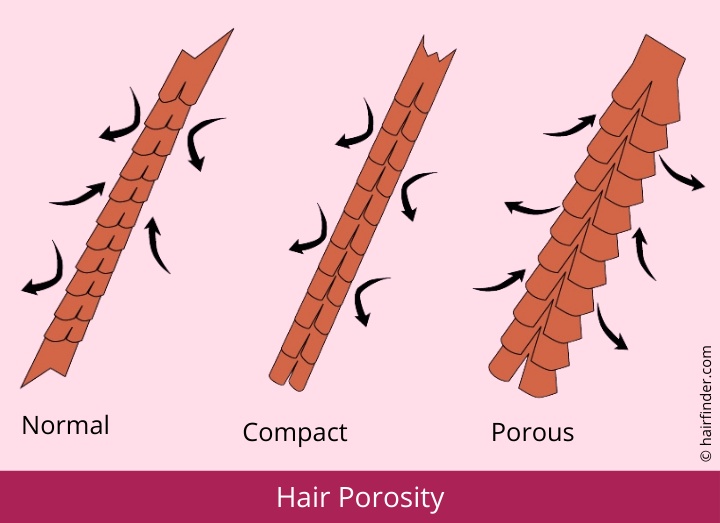
Your level of porosity is in complete relation to the condition of your cuticle layer. Either your cuticle layers  could be very open, allowing for moisture to enter the shaft quickly or the cuticle layers could be sealed shut and very resistant to moisture. 
There are three levels of porosity: High, Low and Normal
 

High Porosity
High porosity is considered overly porous and is the result of over processing, heat damage, chlorine/hard water/mineral saturation, sun damage or the use of other harsh ingredients. Overly porous hair is dry, fragile,brittle and very prone to frizziness. It has an open cuticle that both absorb and release moisture easily. Although overly porous hair absorbs product quickly, it is often dry as the open cuticle does not allow for product retention within the hair shaft. It is best to use a less alkaline solutions with a low pH that help to close the cuticles.
Porosity issues stemming from damage can not be corrected. Only time will heal damaged hair. You can, however, create a "temporary" fix until the damaged part is grown out. Protein treatments fill in any holes within the cortex (inner layer of the hair) and also helps to fill in the gaps exposed by a raised cuticle.
 Note also if you have overly porous hair and you use hair color, while it will process quickly, the color will also fade quickly...it's that whole open cuticle thing, it won't hold on to anything.


Low Porosity
Low porosity, being the polar opposite of high is very resistant. It's cuticle is too compact and doesn't permit  moisture to enter or leave the hair shaft. Hair with low porosity is way more difficult to process and has a tendency to repel product rather than absorb it. You would need to use a more alkaline solution to raise the cuticle. Corse hair is more prone to low porosity. Try using lighter hair products with humectants, and utilize heat. It will help lift those cuticles.Wash and condition your hair with warm water, and deep condition under a hooded dryer (or hold a hair dryer over your head).

 
Normal Porosity
 Normal porosity or average the cuticle is still compact and inhibits moisture from leaving or entering the hair shaft, but it also will readily absorb and retain product properly.
There are a couple of ways you can check your hair's porosity:
On dry hair, take a strand of several hairs from four different areas of the head (front hairline, temple, crown and nape). Slide the thumb and index finger of your other hand down each hair strand from end to scalp. If it is smooth, you have normal porosity. If your fingers move very fast up the hair strand and it feels exceptionally slick, dense and hard, you have low porosity. If your fingers "catch" going up the strand, feel like they are ruffling up the hair strand, or if the hair strand breaks, your hair is overly porous.
Also, you can take several strands of your hair and drop them into a bowl of water. Let them sit for several minutes. If the hair is floating in the water, then you have low porosity. If the hair sinks, then you have high porosity.
Continuing to get to know your hair will make it easier to determine just what is best for your regimen and maintenance. LOVE YOUR HAIR!!!

Thursday, October 20, 2011

Taste the Rainbow...Coloring Natural Hair


There has been a long time question as to whether or not color is good for natural hair? My answer is, any hair that is chemically altered in any way is not good, but proper care will make it okay. Make sense?? Plus, if you are afraid of chemicals you can always use a rinse, which just deposits hair on top of the hair strands. With that being said, let's talk about your options.
There are three main types of color--permanent, semi or demi, and temporary.


Permanent hair coloring products consist of two components that are packaged separately and mixed together...hydrogen peroxide and an ammonia dye solution.
As soon as the ammonia dye solution and the hydrogen peroxide solution are mixed together, they are applied to the hair. The ammonia in the mixture (less than 1% concentration) causes the hair to swell and the cuticle scales to separate a little. After this happens, the dye is able to penetrate the cuticle before they have fully reacted with each other and with the hydrogen peroxide. This is why even when brown hair coloring is first applied it looks whitish. This is also why you have to wait a half hour or more for the color to develop. Long story short...the hair cuticle is lifted and the proteins that give us our natural hair color are altered. Sound pretty damaging? Permanent coloring definitely has an effect on the moisture protein balance because there is a chemical reaction that is taking place inside the strand weakening the cuticle layer causing the hair to be more porous. The more porous the quicker your hair absorbs moisture. If it’s too porous the hair doesn’t retain any moisture and remains dry to the touch.  This is always a risk with permanent coloring hair. 


Semi permanent hair color is good for first-time dyers or for people who aren't looking to make a drastic change. Semi permanent dye has no ammonia and no developer, so no color is deposited inside the hair shaft. Instead, it coats the hair, which is why it's often referred to as a "stain" or "wash." Semi permanent is good for changing or enhancing tones but not for changing colors. It generally washes out in 6 to 12 shampoos. While
Demi permanent hair color is good for people who want more of a change but do not want to damage their hair or do anything drastic. It contains no ammonia but does have a small amount of peroxide, which opens the hair cuticle slightly so that some color will sit in it. Demi permanent does a better job of darkening hair than semi permanent does, but it doesn't lighten hair. Demi permanent hair color will fade and typically lasts 12 to 24 shampoos.


The third type of coloring is temporary. Temporary hair colors are applied in the form of rinses, gels, mousses, and sprays. They coat the surface of the hair and usually wash out within two or three shampoos. Temporary hair color is typically brighter and more vibrant than semi-permanent and permanent hair color. It is most often used to color hair for special occasions like Halloween or costume party.

There is also a "natural" hair color that a lot of naturals swear by and that's Henna. Henna is a plant native to subtropical regions of Africa, Southeast Asia, and Australia. You may know it as a way of doing body art. Natural henna is said to make your hair knockout glossy and give it a rich red tint. If the package claims to color hair blond or black, it is not natural henna.  Compound hennas, which make the other color claims, have additives, they also contain metallic salts and chemical lighteners that can wreck your hair. So unless you're going any color besides true red, be sure to read the box carefully. Body Art Quality Henna is what you’re looking for. Henna is also said to provide a deep conditioning treatment. Some say it “loosens up the curl.” Everyone’s experience will be different. 
If your hair has been previously dyed or bleached with regular drugstore or salon dye, the remaining chemicals and pigment molecules from your last dye job can interfere with the henna, causing uneven color and even weird pigment results, like green hair. If you've been dyeing your hair with anything other than henna, you'll need to do a couple of strand tests to make sure.
Henna comes in a powder form and must be mixed with an acidic liquid to form a paste. Also, unlike chemical dyes, henna can be messy, and it may take a long time to dye your hair. Some people leave it on as long as 24 hours and wrap their hair in plastic wrap to keep in the heat and speed up the dyeing process.
I'll do a whole post concerning Henna in the near future...


Now that you have decided on the type of  hair color that is best for you, how do you take care of it? You need to understand that every time you apply permanent and semi-permanent hair color, you subject your hair to a chemical process and we all know chemicals are damaging to the hair cuticle. 
 Use a shampoo and conditioner specially formulated for color-treated hair. These products have extra moisturizing ingredients to hydrate brittle strands and make color brighter. The harsher shampoos can strip the color from your hair, making it look dull and faded.  Deep condition your hair often. My hair is color treated and I deep condition every week, rinsing with the coldest water that I can stand. While hot water raises the cuticle, releasing the color from your strands, cold water will seal the cuticle, closing the color in.
Moisturize, moisturize, moisturize! Find something that works for you and keeps your hair from drying out, like a good daily leave in conditioner. Dryness will lead to breakage.
Stretch out the time you re-apply your coloring, if you re-apply too soon you may suffer from over-processing.
When you do your retouch, start your application at the root. If you feel that your ends are dull apply the color from the root down during the last few minutes of the process.
Trim your hair up to 1/2 inch every 6-8 weeks, to avoid splits and breakage.
Implement protective styling to protect the ends of your hair from damage.

Hair dye is only as damaging as you make it out to be, maintaining healthy color treated hair is all in the care you provide. Keep in mind that most women with kinky or tightly coiled hair suffer from dry hair and hair dying can add on to this issue if the proper measures are not taken.
With all that being said Happy Coloring and LOVE YOUR HAIR!!!!


Monday, October 17, 2011

Aloe Vera...Nature's Moisturizer


As a child, I remember my mother having an Aloe Vera plant in our kitchen window seal. She would break off a piece and rub the juice from it onto my skin if I had a burn or cut. I always thought that was its only purpose. How pleasantly surprised I was when I discovered Aloe Vera has many different benefits, including hair care. 
I first heard of incorporating Aloe Vera into hair products through the infamous Kimmytube videos on Youtube. After further research here are the benefits I found for Aloe Vera in hair.

  • Detangles
  • Moisturizes
  • Activates Fresh Growth
  • Heals and Soothes Damaged Scalp from Scratches, Burns, Dandruff, etc.
  • Reduces Dandruff, Itchy, Scaly Scalp and Seborrheic Dermatitis
  • Balances pH Level (Porosity) of Hair
  • Tames Oily Hair
  • Defines Curl
  • May Serve as Holding Gel
  • Prevents Excessive Hair Loss
  • Enhances Cellular Rejuvenation
  • Contains Natural Building Enzyme for Proteins
  • Anti-Inflammatory
Who knew!??!
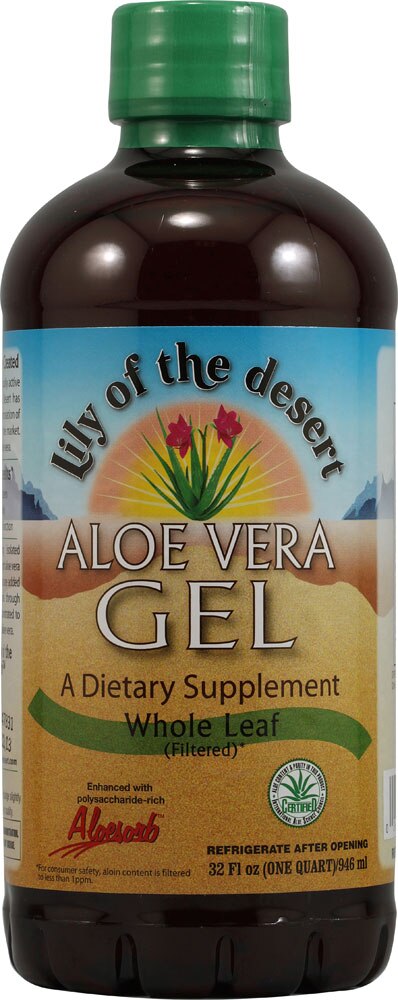
Aloe Vera  helps promote new hair growth for some people. You can use either gel or juice. The gel can be applied directly to the scalp, as external use of Aloe Vera has no side effects. If you don't own a plant, you can easily purchase gel or juice at a local supermarket or health food store. I recommend purchasing the product pure with no added preservatives. You'll have to refrigerate it once opened along with any product you use it in to keep it from spoiling.


I personally use the whole leaf juice and I incorporate it into my leave in conditioner. My hair loves it!! My hair is softer and more moisturized after using it. Of course you'll need to seal the moisture in with a butter of your choice...Shea, coconut, olive oil, etc. I'm probably going to start using it in other products as well to see if I can achieve greater effects. I've read that you can also use it by itself.
Mix and match and experiment. Find what works for you and YOUR hair.
As always...LOVE YOUR HAIR!!

Friday, August 26, 2011

More Harm Than Good


One of the main things I've learned in cosmetology school is how important it is to have product knowledge to inform clients of how their hair will benefit from using them, but one thing they don't teach us in school are harmful ingredients in hair products that could damage not just your hair, but also be hazardous to your health.
All beauty products are required to have a list of ingredients somewhere on the packaging. It is important to not only read the list, but also understand what you are reading so you will know what to avoid. The Federal Trade Commission orders that ingredients that are present in higher amounts in the product go to the top of the list. I've always been told the most important ingredients of a product are the first five on the list. Sometimes the active ingredients are on a separate list. Also, according the the International Nomenclature of Cosmetic Ingredients (INCI) system, ingredients have to be named using their scientific names and for plants, Latin names. Sometimes you'll find the English name in parenthesis, for example, Shea Butter is often listed as Butyrospermum Parkii (Shea Butter).
With all that being said, how do you know what is harmful to the hair??

Here are list of the most harmful ingredients found in hair care products
Sodium Lauryl Sulfate/Sodium Laureth Sulfate:
I have blogged before about the benefits of using sulfate free shampoo, so here is a reiteration of the harmful traits of sulfate. Both of these sulfates are cheap, harsh detergents that are found in the majority of shampoos. They are used to create lather or foam. A super lathering shampoo is not necessary to cleanse the hair and scalp. All that excess lather is just to make you think your shampoo is working properly. These sulfates are also commonly used in car washes and engine degreasers. They are generally derived from petroleum, also a harmful ingredient, and often cause eye irritation, scalp irritation and tangled hair.
Now to flip the script just a second on sulfate free shampoos...If you are using one, that's great, but just be careful!! Sometimes, when a company removes the sulfate from their product, they add salt (sodium chloride). Salt is just as bad, if not worse for your hair. Salt is abrasive or rough. If you shampoo your hair with a salt containing product, you're actually creating friction on your hair (think of an exfoliating scrub in your hair...no good!) Not to mention that it's strips the hair of moisture.

Parabens (methyl, propyl, butyl, and ethyl):
Parabens are added to hair products to act as a perservative, inhibiting microbial growth and extending the shelf life of the product. Unfortunately, parabens are also estrogenic and disruptive of normal hormone function. Exposure to these parabens has been linked to breast cancer. They've also been known to cause allergic and skin reactions.

Diethanolamine (DEA) and Triethanolamine (TEA):
These ingredients are synthetic emulsifiers and/or foaming agents. They are highly acidic and can cause allergic reactions, eye irritation, and dryness of the hair and skin. DEA and TEA are ammonia compounds, which are potent carcinogens or cancer causing. DEA can also strip away vital amino acids from the hair and the skin, like keratin. This will leave the hair feeling dry and unmanageable.

Formaldehyde:
This ingredients has become a hot topic since the emurge of the hair treatment the Brazilian Blowout. Which turns frizzy unmanageable locs into luxurious bone straight hair, but tests have determined that the product contains unsafe levels of formaldehyde or embalming fluid-a known carcinogen. Adverse reactions to formaldehyde can include allergies and affecting the nervous system.

Mineral Oil and Petroleum:
For years black women have caked "hair grease" onto their hair and scalp in hopes of achieving hair growth of some kind. I can remember my mother slathering Blue Magic onto my head every other day to help with "moisturizing" my hair and scalp. I don't mean to burst your bubble if this is still a practice you use today, but you are doing your hair and scalp no good with these products. These ingredients give the hair an artificial shine and are cheap to make and sell. Mineral oil and petroleum clog the pores on the scalp making hair growth null and void. They also coat the hair strand making it impossible for moisture to get in, which makes hair much more susceptible to damage and breakage in the long run.

Now, I know you may say, "But Tasha, trying to avoid these products can be expensive!" And you are right! Think about this though...if you ask someone who has had or is battling cancer if they would pay just a little bit more  in order to avoid the ratchet disease, what do you think they would say? I'm thinking the answer would be YES! To step down from health concerns, just think about how the hair can thrive from not subjecting it to such cruel and unusual punishment.

So, it is up to you to READ THE LABELS of your hair care products and gain knowledge of the ingredients, with these harmful products lurking around every corner being advertised as "helpful" or "good" for our hair, ready to strike at any moment.

Tuesday, August 16, 2011

The Benefits

I recently discovered a new site called benefitof.net. It gives the benefits of everything from overdraft protection to the benefits of Facebook. In the life style section under fashion and beauty, I found a lot of benefits of products we use regularly in our hair. So, I thought I'd share some of the stuff I read about.


Co-washing
The first thing I read wasn't a product, but something I know a lot of naturals do and that's co-washing. Co-washing is the act of shampooing your hair with conditioner instead of shampoo. One of the important benefits is you retain more moisture in your hair, since you wouldn't be stripping your hair of its natural oils with shampoo. This is especially good for overly dry hair. BUT please don't leave out shampooing your hair. The purpose of shampoo is to rid the hair of product build up and excess debris, which can clog the pores. Conditioners were not made to do that. With that being said, co-washing isn't bad, but shouldn't be the ONLY means of cleansing your hair.
Sulfate free shampoo
Both Sodium Lauryl Sulfate (SLS) and its close relative Sodium Laureth Sulfate (SLES) are commonly found in many household products like soap, shampoo, detergents, toothpaste and other products we expect to "foam up". These products, containing sulfate, have also been frequently reported to be the cause of eye irritation, scalp irritation, tangled hair, swelling of hands and face, and split fuzzy hair. These side effects are a reason in itself to use sulfate free shampoo. Another benefit would be reduced hair loss. Using sulfate causes the hair to be dull and breakable. Sulfate free tames the hair hardness and leaves the hair soft and easy to comb.
Extra Virgin Olive Oil
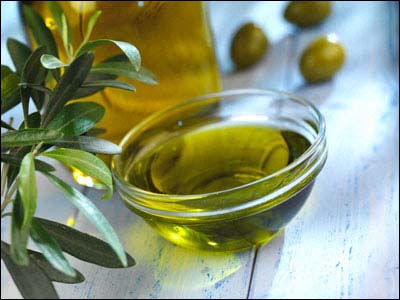
I have and will make frequent references to extra virgin olive oil (EVOO). It is one of my favorite hair staples. This is a very versatile product, used in everything from cooking to easing the noise of snoring. Packed full of minerals, vitamins and antioxidants, EVOO helps to provide the hair with nutrients needed for hair growth and helps to preserve the moisture in the hair. One of the things I do, is when using my leave in conditioner, I seal the moisture into my hair strands with a mixture of shea butter and EVOO. It's very affective.

Black Soap
I've never used this product, but have read numerous things about the benefits. A lot of naturalistas live by black soap. Black soap or African black soap is traditionally hand made in Africa from ingredients found in nature. Research has revealed that black soaps might contain many different ingredients, but majority of black soaps contain various oils, like the coconut oil, palm oil, palm kernel oil, shea butter and cocoa butter. They also contain ashes from different plants, like shea tree bark, banana trees, cocoa pods, and plantain leaves.
Black soap can be used for cleansing the hair. After cleaning use your regular conditioner for shiny lustrous beautiful hair.
Black soap contains a very high content of glycerin; it can easily absorb moisture from the air. To prevent it from spoiling due to humidity, black soap must be stored in a sealed plastic bag or dry container.


Tea Tree Oil
Tea tree oil is has antibacterial properties and act as a natural disinfectant. It is obtained by steaming leaves of the tea tree or Melaleuca tree and then compressing them to extract their oil. For hair, mixing tea tree oil into your shampoos and conditioners will  help to get rid of dandruff. By acting as a disinfectant for the scalp, tea tree oil reduces the build up or residues around the follicles allowing for the free flow of sebum, hair's natural oil, into our hair shaft. Also, by reducing the inflammation around the follicles, tea tree oil  promotes regeneration of existing hair while promoting new growth.


MSM
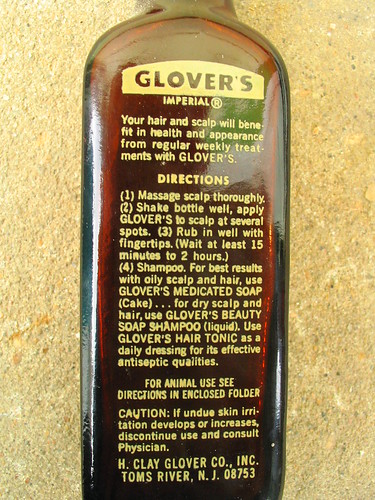
Methylsulfonymethane, or MSM, is a form of sulfur used to maintain healthy cells, organs, tendons, hair, skin and nails. I remember as a child my mother slathered Sulfur 8 and Glover's Mange onto my scalp regularly. I can't recall ever suffering from dandruff as a child. Though it doesn't smell very pleasant there are several benefits for sulfur in the hair.
Regular use of MSN helps your hair grow faster and naturally. It revitalizes hair follicles by increasing circulation in the scalp, thereby eliminating waste and toxins. It also assists essential nutrients like calcium, pantethol, and biotin to build strong hair.Studies suggest that MSM increases production of keratin, the protein found in hair fibers responsible for healthy hair. It not only prevents hair breakage, but is also beneficial for glossy hair as is makes your hair follicles flexible.


Onions
The last one that I want to share with you is the foulest of them all, but beneficial. Not only for eating purposes, onions have antifungal and antibacterial effects that make them useful for hair treatments and skin care. Studies have shown that applying onion juice to the scalp twice a week for a period of time will encourage hair growth. The sulphur contents of the onion regenerates the hair follicles, promoting hair growth.
These are just a select few of many benefical things out there for healthy and happy hair. Check out the site for yourself, benefitof.net.

Wednesday, August 10, 2011

Homemade hair recipes

Here are some easy to make at home hair recipes. You may have some of the ingredients right in your kitchen. The essential oils can be purchased at a health food store or online stores. Essential oils are very powerful and would have to be diluted, usually with a carrier oil like olive oil or almond oil. You don't have to follow the recipes to a tee. You can tweak them to fit your hair needs. I haven't tried all of these, but have read great things about them. I may have mentioned some of these in other posts as well.

Hair Clarifying
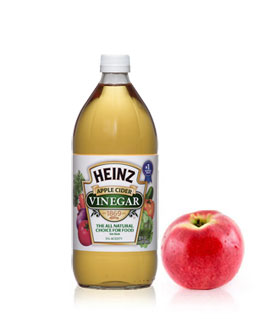
1/2 tablespoon apple cider vinegar
1 cup warm water
mix the ingredients and pour onto shampooed hair OR you can rinse your hair and pour the clarifier onto your hair before you shampoo and condition. I've done both ways and they work either way. Don't worry about the smell, if you use it after shampooing. It will dissipate as it dries. This mixture will help balance out your pH and remove product build up.


Honey and Olive Oil Conditioner
3 teaspoons honey
1/4 cup of extra virgin olive oil
Heat the honey in a bowl, not too hot. Add olive oil. Work through the hair using small amounts at a time. I usually dampen my hair with warm water to help it glide on easier, but you can put it on dry hair. Place a shower cap on your head for 30 minutes. Shampoo and condition as normal. This helps to make the hair softer and shinier.


Egg and honey treatment
Egg yolk provides protein, which strengthens the hair. Honey gives hair a nice sheen. Almond oil is rich in vitamins and minerals and lastly yogurt promotes hair growth and makes the hair easier to comb. This recipe makes for a wonderful hair cocktail.
1 tablespoon honey
1 egg yolk
1/2 teaspoon almond oil
1 tablespoon natural (plain) yogurt

Cucumber/Oil Treatment
I haven't tried this personally, but I've read that it's good for frequent swimmers.
1 egg
1 egg shell's worth of extra virgin olive oil
1 quarter of a peeled  cucumber
Blend ingredients. Spread evenly through your hair and leave on 10 minutes. Rinse thoroughly and style as usual.
Itchy Scalp Treatments
I get a lot of calls about what to do for itchy or dry scalp. I have been on a man hunt to find different remedies. Here are few that I've found to be helpful.
Oatmeal
5 drops of rosemary oil
5 drops of lavender oil
Soak oatmeal in water for 20 minutes and strain. Add the oils. Rub liberally onto the scalp. Let it sit for as long as needed and rinse thoroughly. Shampoo and condition as normal.

Two drops peppermint oil
1 cup of water
Massage the scalp gently with this mixture to help with dry scalp.

 Mix equal parts olive oil,  almond oil and coconut oil. Warm the mixture and apply it on the scalp to relieve itchiness caused by dandruff.

Mix equal parts  rosemary oil,  carrot oil, jojoba oil and sage oil. Massage the scalp gently to relieve itchiness.

One avocado
2 bananas
Mix together. Rub through hair and scalp. Leave in for 30 minutes rinse thoroughly.

Hair Growth Mixture
This mixture will help in stimulating the scalp and promoting hair growth. It can be used in different sections or all over. Consistent applications is the key for this mixture.
2 oz  pure vitamin E oil
2 oz castor oil or jojoba oil
15 drops  rosemary oil
15 drops peppermint oil
Put ingredients in a container and mix well. Use your fingertips to dip into the mixture and massage the area. IF you want a more solid mixture you can use 4 oz of coconut oil instead of the castor or jojoba oil. This is a great way to treat thin hair lines. You can use this nightly, but be sure to keep the hair shampooed regularly so that it won't clog the hair follicle--which can cause itchiness and slow hair growth.
Let's talk about Vegetable Glycerin for a second...
I've recently discovered this product and have fallen head over heals in love with it!!
Vegetable glycerin is a by-product of the soap making process. It is known for being a humectant, meaning it attracts water or moisture. You'll find glycerin in a mind boggling amount of skin and hair products. You can't just coat your hair with it or you'll get a sticky mess, but using it along with other products makes for excellent relief on those extra dry days.
Here are a couple of spritzes you can make:
3 tablespoons vegetable glycerin
2 tablespoons honey
1 tablespoon aloe vera juice
2 tablespoons extra virgin olive oil
1/2 cup water
1 spray bottle
Pour all the ingredients in the bottle. Shake really well to disperse honey and olive oil throughout the water. You'll have to shake it with each use.

For a quick and easy hydrating spray mix equal parts vegetable glycerin and water into a bottle. Add 3 drops of an essential oil (rosemary, lavender, tea tree or cedarwood). Spray on the hair as needed.

These are just a few of many recipes out there for healthy and happy hair. I will continue to post them as I continue to discover them. As I said, you can mix and match ingredients to come up with products that work best for you.

Related Posts Plugin for WordPress, Blogger...